FPV Propellers Explained: Size, Pitch and Blade Count
The propeller turns the motor's torque into thrust, so it decides how efficient, fast and agile your drone is. Size, pitch and blade count are the three choices that matter most.
Size
The size is the propeller's diameter in inches, and it is usually set by the frame: a 7-inch frame takes 7-inch propellers. A larger propeller moves more air at lower speed, which is more efficient, so long-range builds use the biggest propeller the frame allows, on a lower-KV motor.
Pitch
Pitch is how far the propeller would advance in one turn, in inches. A low pitch gives more thrust at low speed and draws less current, so it suits hovering, cruising and long range. A high pitch gives a higher top speed and draws more current, so it suits racing and speed runs.
Blade count
- Two blades: the most efficient, so the usual choice for long range
- Three blades: more thrust and grip for their size, the freestyle default
- Four blades and more: smooth and strong at low speed, at a cost in efficiency and current
Mounting: center hole or bolt mount
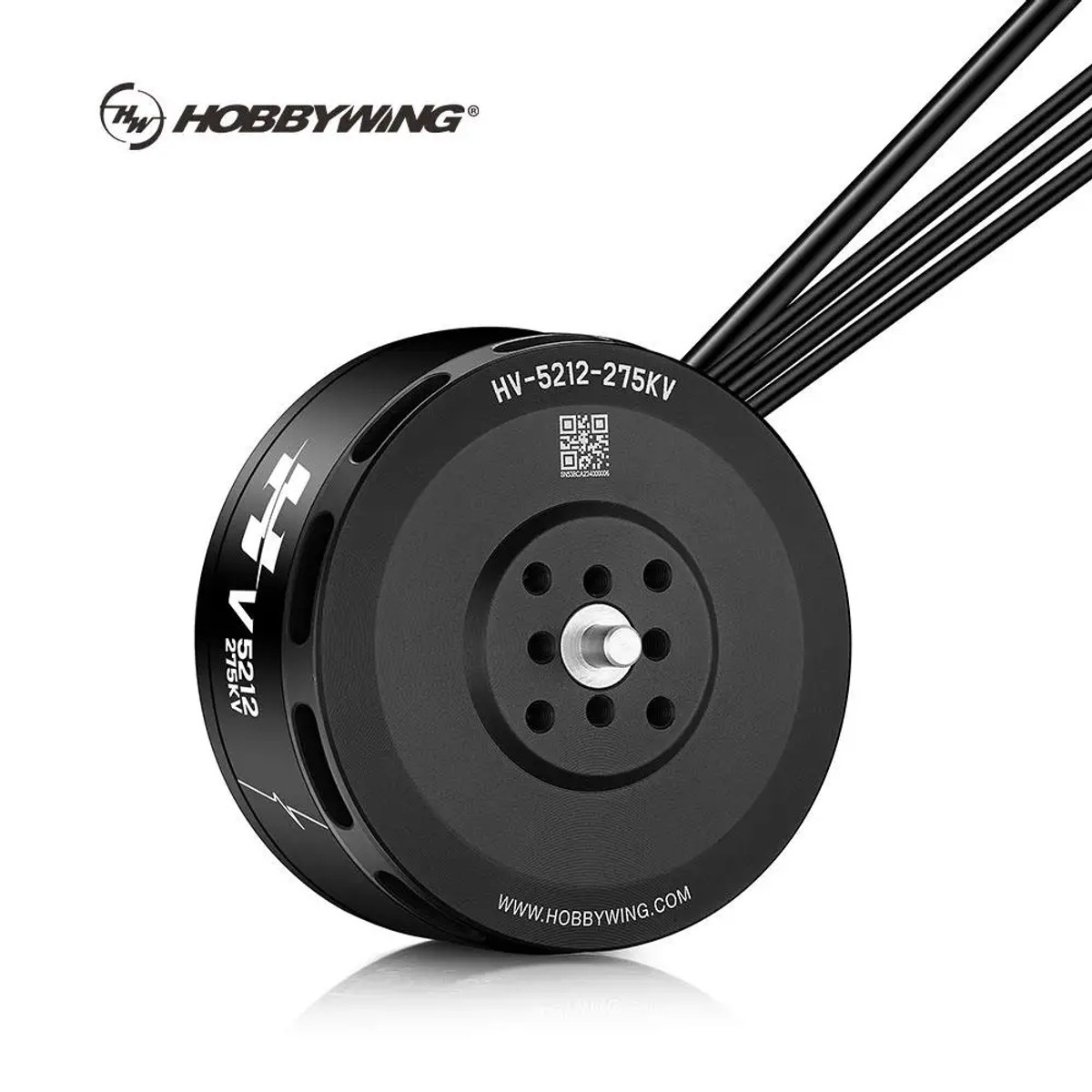
Most small and mid-size propellers have a center hole and are held by a nut on the motor shaft, commonly an M5 nut. Many large propellers use a bolt mount instead, with several screws through a pattern of holes into the motor bell. Check which system your motor has before you buy. The propellers are not interchangeable.
Match the propeller to the motor
Use the manufacturer's thrust table: it lists the propellers the motor was tested with and the current it draws on each. A propeller that draws more current than the motor and ESC can handle will overheat them. Start with a propeller from the table and measure current on a first, careful test.
Practical tips
- Buy spares: propellers are the part you replace after a hard landing
- You need clockwise and counter-clockwise propellers, two of each on a quad
- Check every propeller for cracks and nicks before flying, and replace a damaged one
- Tighten the nut or screws firmly, and re-check them now and then
- Glass-fiber reinforced nylon is tougher and cheaper, and carbon fiber is stiffer but breaks on impact