FPV Flight Time: What Determines It and How to Estimate It
A 5-inch freestyle drone usually flies 3 to 5 minutes, while a 7-inch long-range drone on Li-ion can cruise for a quarter of an hour or more. The difference isn't magic: it comes from a few factors you can understand and calculate in advance.
The simple formula
Flight time in minutes is roughly the usable capacity divided by the average current, times 60. Usable capacity is about 80% of the label capacity, because you never drain a pack completely.
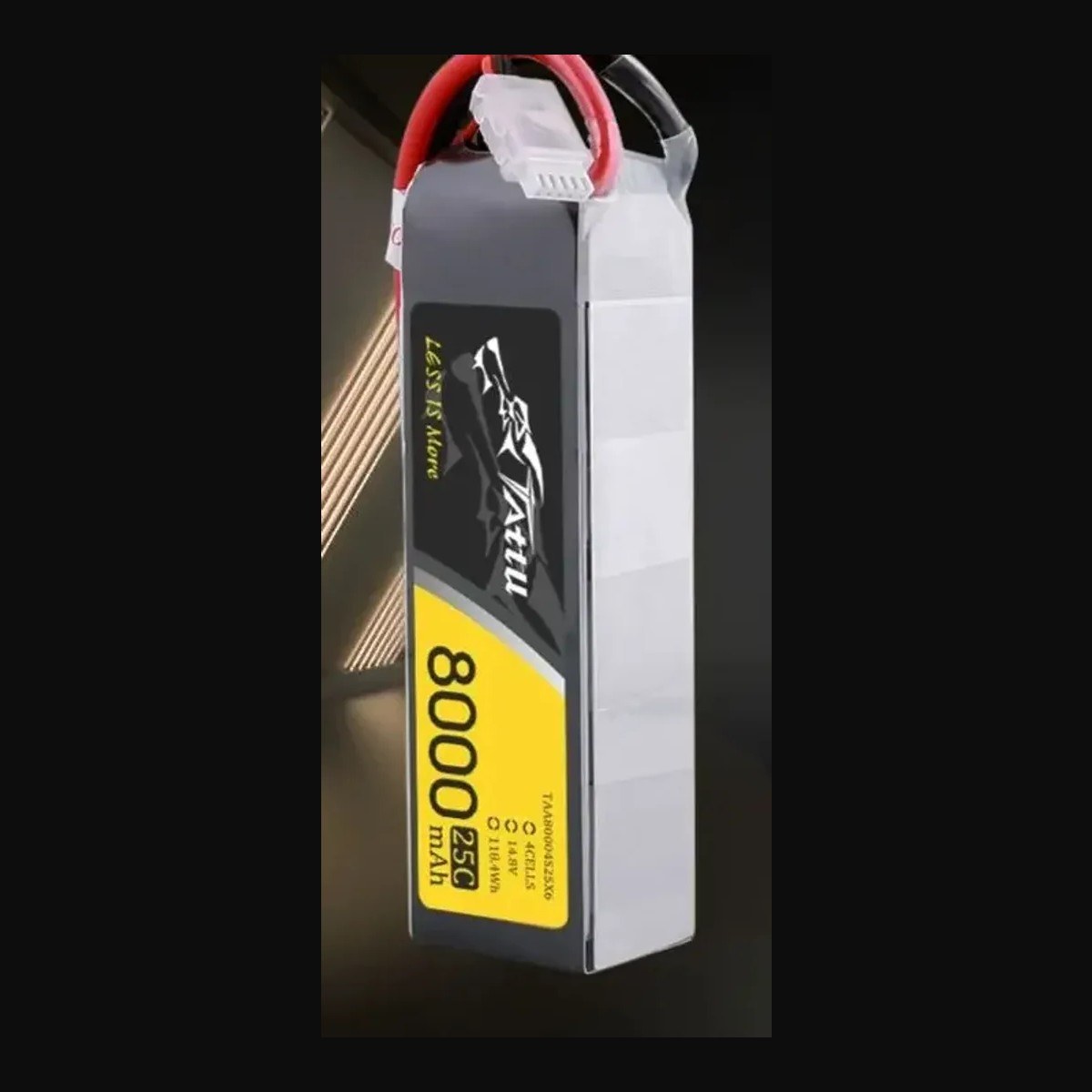
Example: a 6S 1300 mAh pack gives about 1.04 Ah of usable capacity. If the drone draws 20 A on average, the flight lasts about 3 minutes. If it only hovers at 12 A, that stretches to about 5 minutes. The whole question is how much current the drone draws, and that depends on the factors below.
Weight: the strongest factor
The power needed to hover grows faster than the weight: according to momentum theory it rises roughly with weight to the power of 1.5. So 10% more weight means about 15% more hover current. An action camera, a heavy GPS or an oversized pack shows up in your flight time straight away.
Prop size
A large prop moves a lot of air slowly, which is more efficient than a small prop moving a little air fast. That's why a 7-inch drone flies much longer than a 5-inch one at a similar relative weight, and why heavy-lift drones use large props with low-KV motors.
A high pitch adds speed and bite, but also load and current draw. Efficient props have a relatively low pitch for their diameter.
Flying style, wind and cold
Freestyle with lots of full throttle draws several times more than calm cruising. Strong wind needs extra power just to hold position, and cold reduces the capacity a pack can deliver. So the same drone might fly 6 minutes on a calm day and 3 minutes in an aggressive session.
LiPo or Li-ion, and more capacity
Li-ion stores more energy per gram, so it is the choice for long cruising flights. It handles high currents less well, so for freestyle LiPo is better.
Adding capacity only helps up to a point: a bigger pack is heavier, and the drone draws more current to carry it. Eventually each extra gram adds less and less time.
Flight time calculator
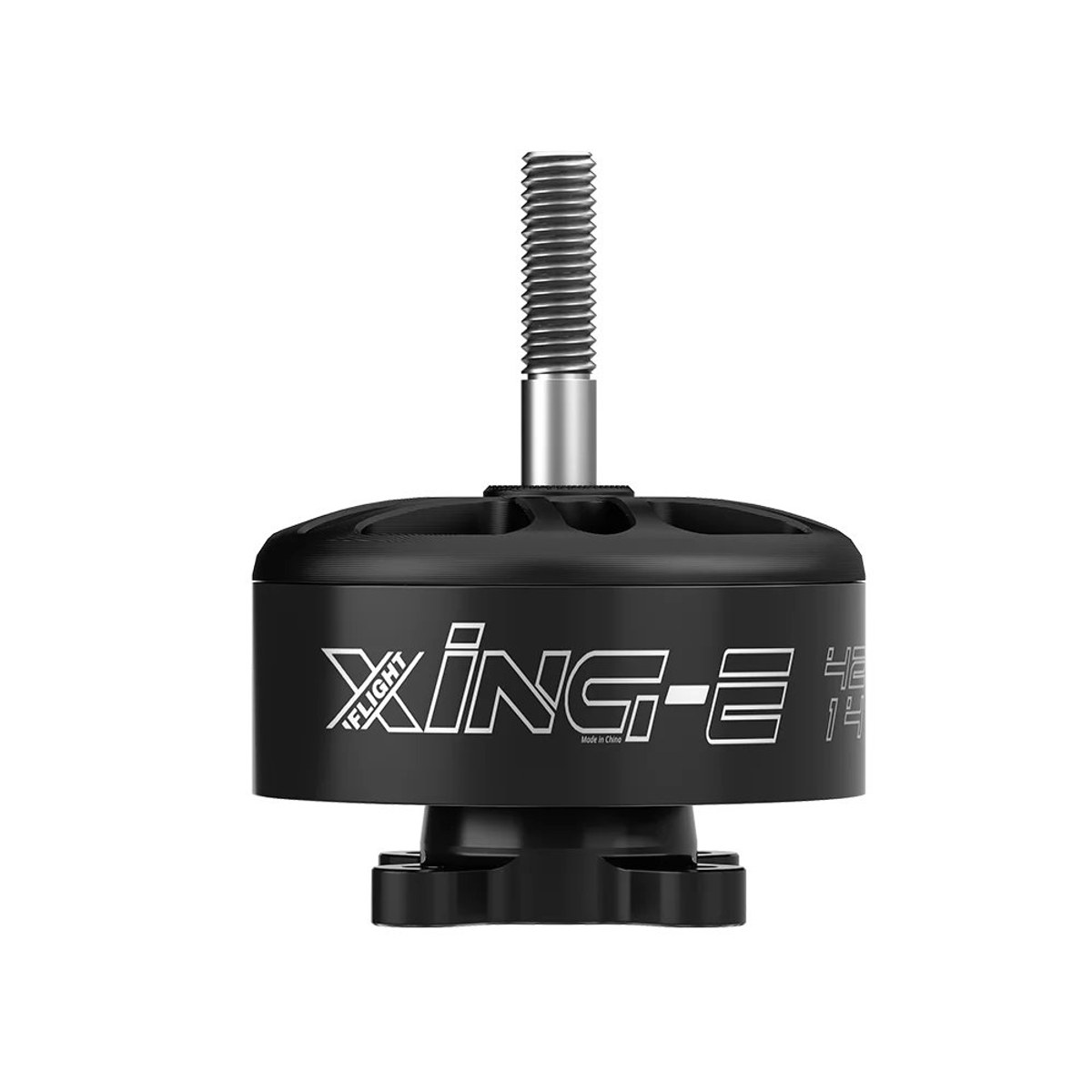
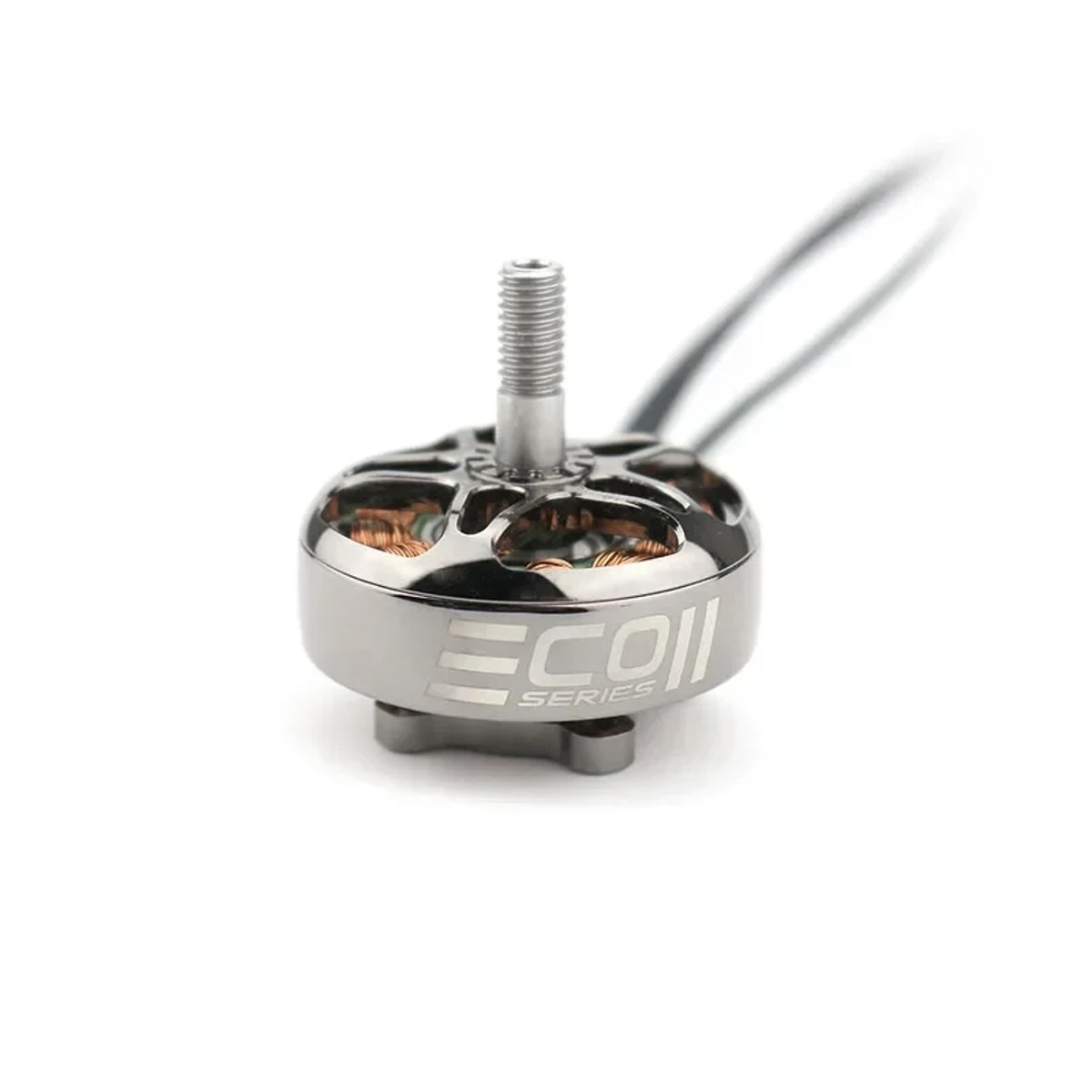
In the FPV.BASE flight time and efficiency calculator you pick a motor, prop, battery, ESC and gear, and it estimates weight, hover current, hover and mixed flight time, thrust-to-weight ratio and a heat index. The calculation is based on manufacturer data and momentum theory, so it is an estimate, not a measurement. After a few flights, compare it with your real consumption from the OSD.
How long will your drone fly?
Pick a motor, prop and battery, and get an estimate of weight, current, flight time and thrust-to-weight ratio.
Open the flight time calculator →